
About > ICEVI West Asia
ICEVI West Asia is an active regional network advancing the right to inclusive education across diverse national contexts in South Asia, the Middle East, and surrounding areas. Coordinated by ICEVI India, which is legally registered as a Public Charitable Trust and Society, the region emphasizes flexibility and partnership to address local realities and priorities. ICEVI West Asia brings together families, educators, individuals with lived experience, civil society, and policymakers to ensure learners with visual impairment are included in education systems. Its work is grounded in Article 24 of the UN Convention on the Rights of Persons with Disabilities (CRPD) and aligned with the Sustainable Development Goals.
ICEVI West Asia operates with a strong Regional Board that meets regularly to guide governance, strategic planning, and partnerships. The region benefits from secretarial support provided by the Blind People’s Association (India), which contributes to effective coordination and program delivery across countries. The region has focused on strengthening governance, expanding digital engagement, and building partnerships to promote disability-inclusive education.
To promote inclusive education, the region focuses on:
- Convening stakeholders to strengthen inclusive education systems
- Facilitating digital accessibility training and leadership development for women and youth
- Organizing regional conferences and workshops to promote policy dialogue and capacity building
- Collaborating with regional partners such as Sense International, Asian Blind Union, and national organizations to advance disability inclusion
ICEVI West Asia collaborates closely with partners across the region, including Sense International, Asian Blind Union, and ADRAD Nepal, to drive systemic improvements in education. The region has also showcased tools like the Evo E11 DAISY player and promoted the production of born-accessible materials to enhance digital learning opportunities. ICEVI West Asia continues to build cross-regional linkages, contributing technical expertise and supporting advocacy for inclusive education policies at both national and regional levels.
Regional Highlights (2021–2024 and Current Quadrennium)
Between 2021 and 2024, ICEVI West Asia contributed to strengthening inclusive education through regional collaboration, capacity-building, and technical exchange:
- Maintained a strong Regional Board that convenes regularly to lead regional initiatives and governance.
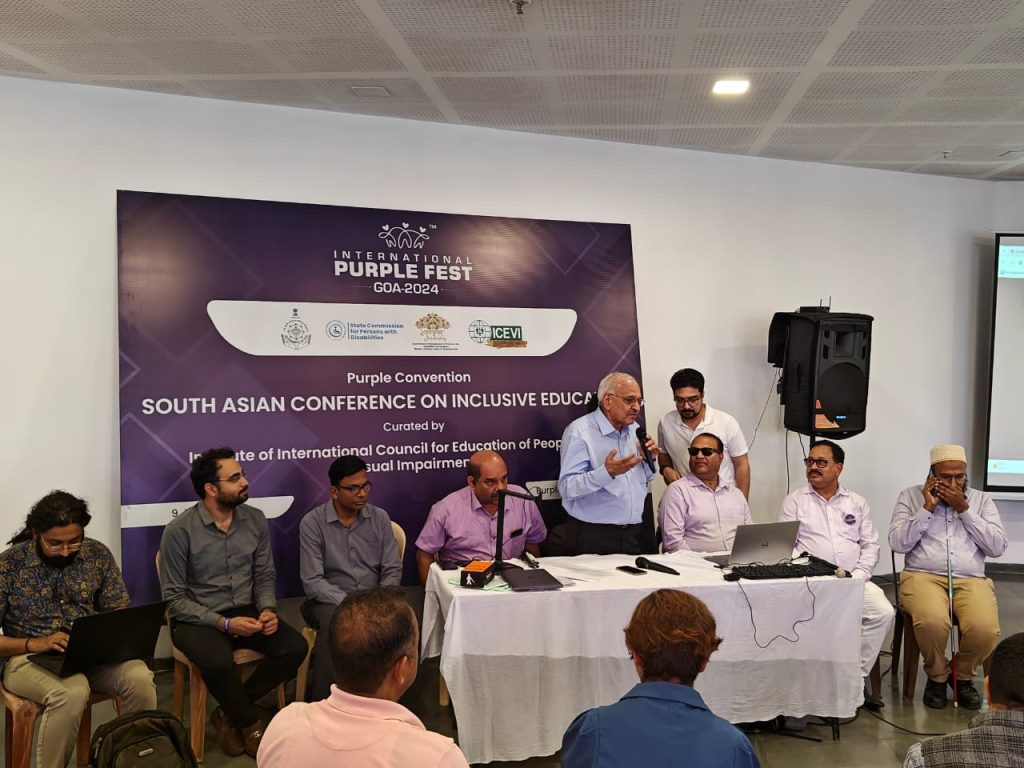
- Hosted its first in-country regional conference in Dhaka, Bangladesh, in February 2024, attended by ICEVI’s global leadership and regional stakeholders, which fostered dialogue on inclusive education systems and future collaboration.
- Earlier, in February 2020, ICEVI West Asia co-hosted a joint regional conference with Sense International in Kathmandu, Nepal, focusing on inclusive education and regional collaboration.
- Engaged actively in global forums, including the 2025 Global Disability Summit, where Dr. Birendra Raj Pokharel, as ICEVI West Asia Regional President, contributed to high-level discussions on inclusive education, gender equity, and disability data, demonstrating the region’s commitment to systems-level advocacy.
- Collaborated with partners such as Sense International and Asian Blind Union to deliver training programs, promote accessible technology, and develop strategies for inclusive education.
- Established sub-committees, including the Youth Championship Program and leadership training initiatives, to implement regional plans and foster local capacity.
- Explored mechanisms for regional fundraising and resource mobilization to enhance sustainability and future program delivery.
Looking Ahead (2025–2028)
For the 2025–2028 quadrennium, ICEVI West Asia is prioritizing:
- Expanding digital platforms and leadership development initiatives for women and youth
- Supporting the adaptation of inclusive education strategies tailored to local contexts
- Strengthening regional fundraising and resource mobilization efforts
- Enhancing cross-regional collaboration and visibility at global forums
- Documenting regional impact stories and country-level progress to support evidence-based advocacy
Impact
ICEVI West Asia contributes to regional collaboration that empowers educators, strengthens digital capacity, and advances systemic change in inclusive education. Through its network-based model and partnerships, the region works alongside stakeholders to ensure learners with visual impairment are visible in education policy planning and have equitable opportunities to learn, grow, and thrive in their communities.
The West Asia Region of the International Council for Education of People with Visual Impairment (ICEVI) includes the following countries:
- Afghanistan
- Bahrain
- Bangladesh
- Bhutan
- India
- Iraq
- Islamic Republic of Iran
- Jordan
- Kuwait
- Kyrgyzstan
- Lebanon
- Maldives
- Nepal
- Oman
- Pakistan
- Palestine
- Qatar
- Saudi Arabia
- Sri Lanka
- Syrian Arab Republic
- Tajikistan
- Turkmenistan
- United Arab Republic
- Uzbekistan
- Yemen
Regional Leadership (2025–2028)

West Asia
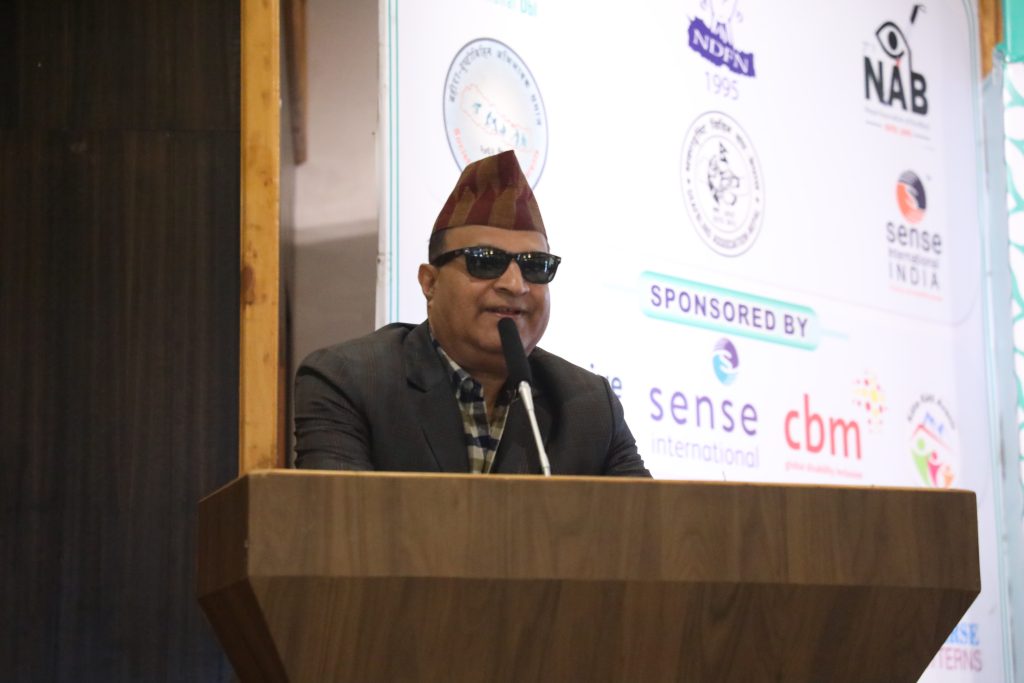
Dr. Birendra Raj Pokharel
Regional President, West Asia, ICEVI; President, Abilis Nepal Network; Founder, Action on Disability Rights and Development – Nepal (ADRAD); Member, National Disability Direction Committee and Special Education Council, Government of Nepal, Nepal.
Dr. Raj Pokharel is a leading advocate for disability rights and inclusive development, working to advance accessible education and social inclusion across South Asia.
First Vice-President
Mr. Khandaker Jahurul Alam
Second Vice-President
Ms. Kinnari Desai
Committee Member
Ms Nandini Rawal
India.
Committee Member
Dr. S.R. Mittal
India.
Committee Member
Dr. J. P. Singh
India.
Committee Member
Mr. Khalid Naeem
Pakistan.
Committee Member
Dr. Fatemeh Amiri
Iran.
Committee Member
Mr. Ashoka Bandula
Sri Lanka.
Committee Member
Mr Shishir Kanal
Nepal.
Committee Member
Mr. Leki Chedup
Bhutan.
Committee Member
Dr. Amer Makarem
Beirut, Lebanon.
Committee Member
Mr. Ziad Amro
Palestine.
Advisor and Immediate Past President
Dr. Bhushan Punani