
About > ICEVI East Asia
ICEVI East Asia is a regional network advancing inclusive education and lifelong learning for people with visual impairment across 18 countries in East and Southeast Asia, including Brunei Darussalam, Cambodia, China, China Taipei, DPR Korea, East Timor, Hong Kong China, Indonesia, Japan, Lao PDR, Macao China, Malaysia, Mongolia, Myanmar, Philippines, Republic of Korea, Singapore, Thailand, and Vietnam. The region connects educators, institutions, individuals with lived experience, families, and civil society to strengthen national systems and promote the rights of learners with visual impairment. ICEVI East Asia’s work is grounded in the Sustainable Development Goals and Article 24 of the UN Convention on the Rights of Persons with Disabilities (CRPD).
The region operates through a dedicated Regional Board and collaborative partnerships with national stakeholders, OPDs, and international partners. Its work focuses on capacity-building, policy engagement, knowledge sharing, and the development of innovative educational resources.
Areas of Focus
- Advancing inclusive education policy and practice across East and Southeast Asia
- Strengthening regional collaboration through networks, partnerships, and joint initiatives
- Supporting youth leadership and capacity building for students and graduates with visual impairment
- Expanding access to higher education, employment pathways, and digital learning resources
- Promoting multilingual knowledge exchange and regional visibility
Regional Highlights (2021–2024 and Current Quadrennium)
Between 2021 and 2024, ICEVI East Asia contributed significantly to regional collaboration and system strengthening for inclusive education:
- Higher Education Project: Maintained a longstanding partnership with The Nippon Foundation through the Higher Education Project, supporting over 3,000 students with visual impairment across seven countries—Indonesia, Philippines, Vietnam, Cambodia, Myanmar, Lao PDR, and Mongolia—to pursue university studies. More than 450 graduates have transitioned into employment or further studies, contributing to national development and serving as role models for younger generations.
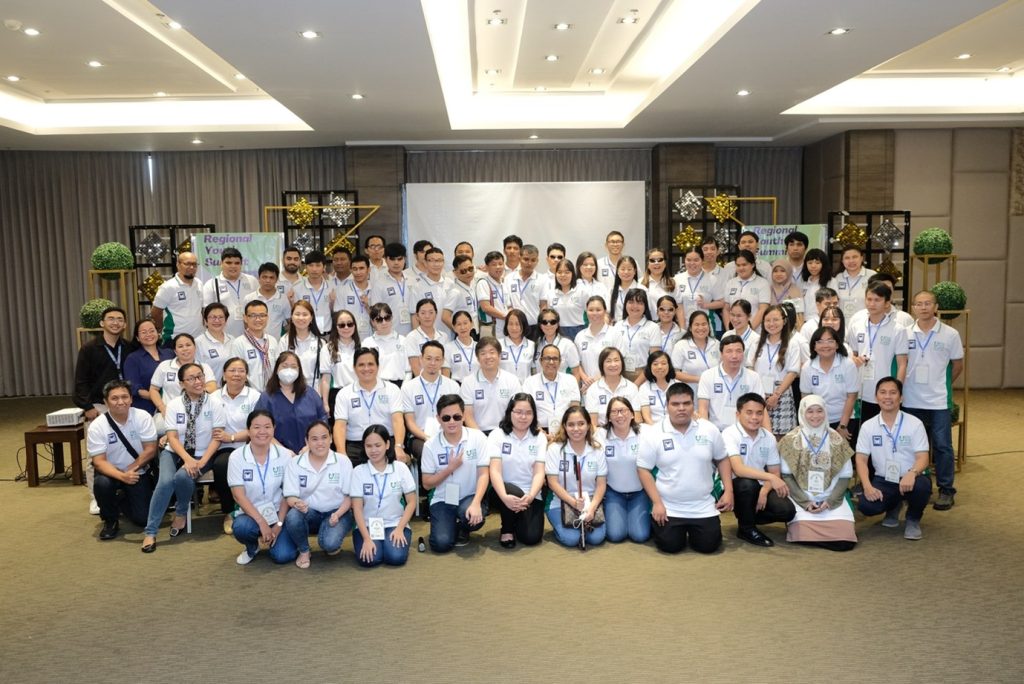
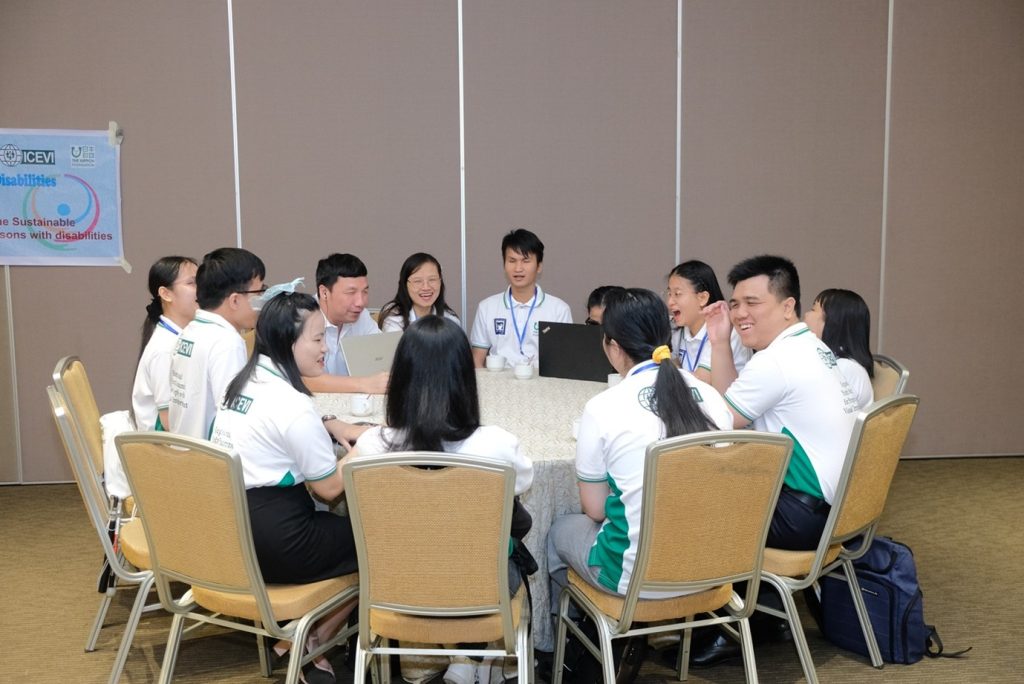
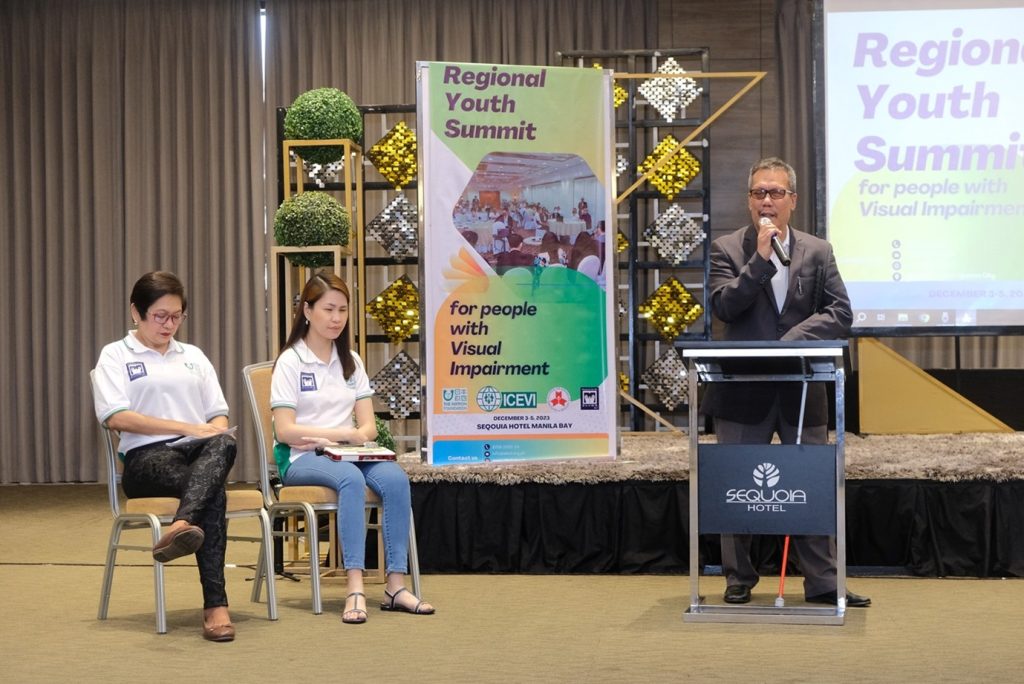
- Youth Leadership Summits: Organized two regional youth leadership summits during the quadrennium, engaging more than 100 participants. These summits empowered young people with visual impairment to share their experiences, contribute insights to national policy dialogues, and build networks for mutual support and advocacy.
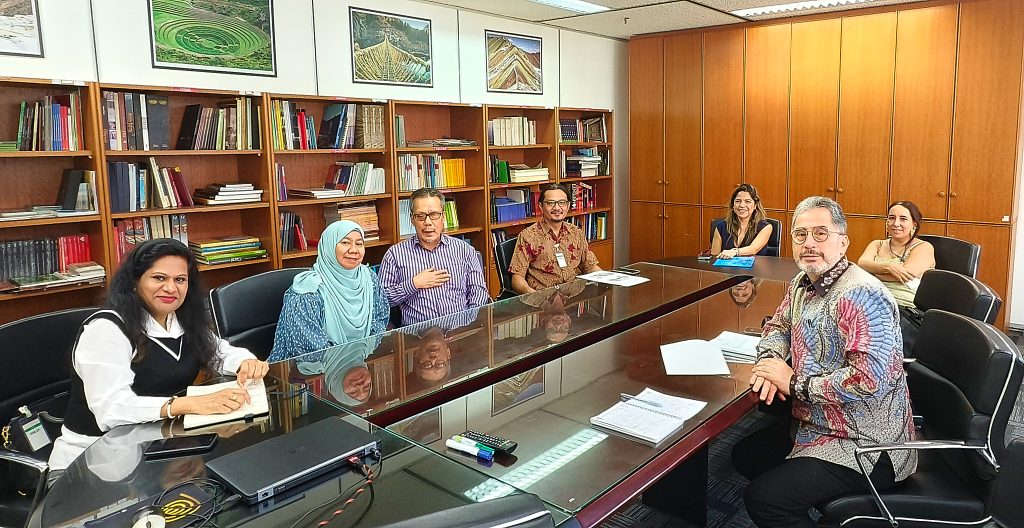
- Collaboration with SEAMEO SEN and PAVIC: Worked alongside SEAMEO SEN (Southeast Asian Ministers of Education Organization – Regional Centre for Special Educational Needs), PAVIC (Parent Advocates for Visually Impaired Children), and national stakeholders to advance inclusive policy development, teacher training, and community engagement. ICEVI East Asia also contributed to conferences and capacity-building initiatives led by these partners, reinforcing collective impact.
- New Partnership with SEAMEO SEN: Formalized a multi-year collaboration with SEAMEO SEN in 2025 to co-develop inclusive curriculum resources, train educators, and support policy alignment across Southeast Asia.
- Regional Conference: Collaborated in hosting the International Conference on Special Education for the ASEAN region (ICSE ASEAN) in Indonesia in 2023, attracting participants from across the region and facilitating technical exchange and regional visibility.
- Digital Resources: Continued contributing to digital learning initiatives, including developing instructional videos in mathematics and other subjects, supporting inclusive classroom practices and distance learning opportunities.
These activities demonstrate ICEVI East Asia’s role as a convener, connector, and contributor to systemic change in inclusive education.

Looking Ahead (2025–2028)
ICEVI East Asia aims to:
- Establish regional technical working groups focusing on curriculum development, teacher training, youth leadership, and accessible technology
- Deepen partnerships with regional and international OPDs, academic institutions, and donors
- Enhance multilingual communication platforms to engage diverse linguistic and cultural communities across East and Southeast Asia
- Promote the inclusion of people with visual impairment in national and regional policy frameworks
- Strengthen regional knowledge exchange and collaborative research initiatives
- Expand digital resource development to improve learning outcomes and teacher preparedness
Impact
ICEVI East Asia contributes to building inclusive education systems through regional collaboration, technical partnerships, and youth engagement. Through collective efforts with partners and stakeholders, the region influences policy dialogue, strengthens practical strategies for inclusive education, and fosters leadership among individuals with visual impairment. Its work supports systemic change and helps ensure that learners with visual impairment across East and Southeast Asia can access quality, equitable education and pathways to employment.
The East Asia Region of the International Council for Education of People with Visual Impairment (ICEVI) includes the following countries:
- Brunei Darussalam
- Cambodia
- China
- Chinese Taipei
- Democratic People’s Republic of Korea
- East Timor
- Hong Kong, China
- Indonesia
- Japan
- Lao People’s Democratic Republic
- Macao, China
- Malaysia
- Mongolia
- Myanmar
- Philippines
- Republic of Korea
- Singapore
- Thailand
Regional Leadership (2025–2028)

East Asia
Mr. Silatul Rahim Bin Dahman
Regional President, East Asia, ICEVI; CEO and Co-Founder, Malaysian Foundation for the Blind, Malaysia.
Mr. Bin Dahman is a respected leader in disability inclusion, overseeing programs in education, employment, and accessibility, and advancing regional collaboration to strengthen opportunities for people with visual impairment.
Member
Ms. Amy Mojica
Director, Resources for the Blind, Philippines.
Member
Mr. Dang Hoai Phuc
Director, Sao Mai Vocational and Assistive Technology Center, Vietnam.
Member
Mr. Marlo Lukas
Resources for the Blind, Philippines.
Member
Mr. Eliseo dela Paz
President, Philippine Association of Parents of Visually Impaired Children (PAVIC), Philippines.
Member
Ms. Yoshimi Horiuchi
Executive Director, Japanese Society for Rehabilitation of Persons with Disabilities (JSRPD), Japan
Secretary
Dr Nor Azmi Nordin
University Kebangsaan Malaysia
Member
Sri Utami Soedarsono
Vice Chair of ICEVI Indonesia
Member
Madam Jamilah Binti Kadir
Director, Southeast Asian Ministry of Education Organization Regional Centre for Special Educational Needs (SEAMEO SEN) (Malaysian)
Member
Dr Kanit Pamanee
Academic Officer, Special Education Bureau, Office of Basic Education Commission, Ministry of Education, Thailand
Member
Mr Mike Daryl Ocol
National Student Director, Philippine Student Alliance Lay Movement
Member
Mr Darong Chour
Executive Director, Krousar Thmey Cambodia
Member
Ms Erika Matsuda
Assistant Professor, Tsukuba University of Technology, Japan