Coming Soon: Global Braille Literacy Campaign (BLC 2026)
Every person who needs braille has the right to learn and use it—wherever they live. From schoolchildren learning to read, to adults seeking to participate

Every person who needs braille has the right to learn and use it—wherever they live. From schoolchildren learning to read, to adults seeking to participate

ICEVI participated in the 2025 General Assembly of the International Disability and Development Consortium (IDDC), held in Berlin. The Assembly brought together development organizations and

ICEVI participated in the Deafblind International (DbI) Asian Regional Conference 2025, held in Pokhara, Nepal, which brought together self-advocates, families, professionals, and allies from 22

At the Global Disability Summit 2025 in Berlin, ICEVI reinforced the visibility of inclusive education through the active engagement of its global and regional leadership.

This shared momentum at the Tactile Reading Conference led to the launch of the Amsterdam Initiative—a global commitment to mobilize international expertise and local knowledge

At the Tactile Reading Conference in Amsterdam, the International Council for Education of People with Visual Impairment (ICEVI) participated actively, reflecting its role as both

ICEVI participated in the 2025 General Assembly of the International Disability and Development Consortium (IDDC), held in Berlin. The Assembly brought together development organizations and

ICEVI participated in the 2025 General Assembly of the International Disability and Development Consortium (IDDC), held in Berlin. The Assembly brought together development organizations and

In April 2025, ICEVI East Asia and the Southeast Asian Ministers of Education Organization Regional Centre for Special Educational Needs (SEAMEO SEN) formalized a multi-year

From 15 to 17 May 2025, ICEVI Europe, in partnership with the Robert Hollman Foundation, convened the 10th ICEVI European Conference in Padova, Italy. Under

From 15 to 17 May 2025, ICEVI Europe, in partnership with the Robert Hollman Foundation, convened the 10th ICEVI European Conference in Padova, Italy. Under

From 30 May to 1 June 2025, ICEVI Latin America convened the III Latin America Regional Conference under the theme “Transformative Pillars for a More
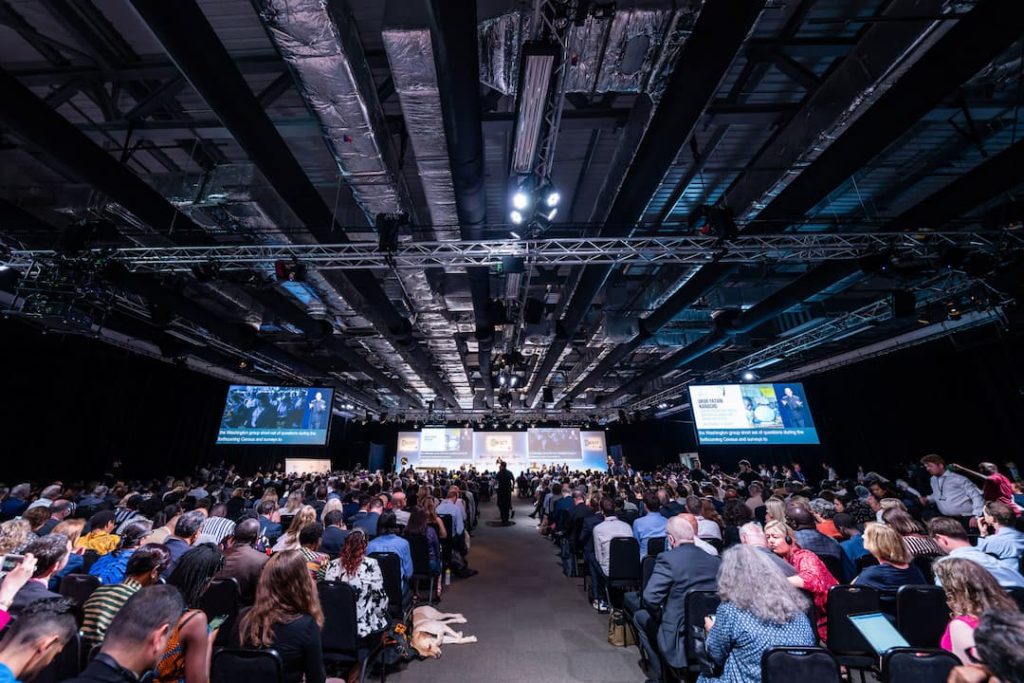
From 30 May to 1 June 2025, ICEVI Latin America convened the III Latin America Regional Conference under the theme “Transformative Pillars for a More Inclusive Society.” Held at the Brazilian Paralympic Training Center in São Paulo, Brazil, this in-person gathering brought together regional leadership, members of the board, delegates from national member organizations, ministries of education, organizations of persons with disabilities (OPDs), civil society partners, international allies, educators, researchers, advocates, professionals, and families—all working to transform inclusion for people with visual impairment across the region and around the world.
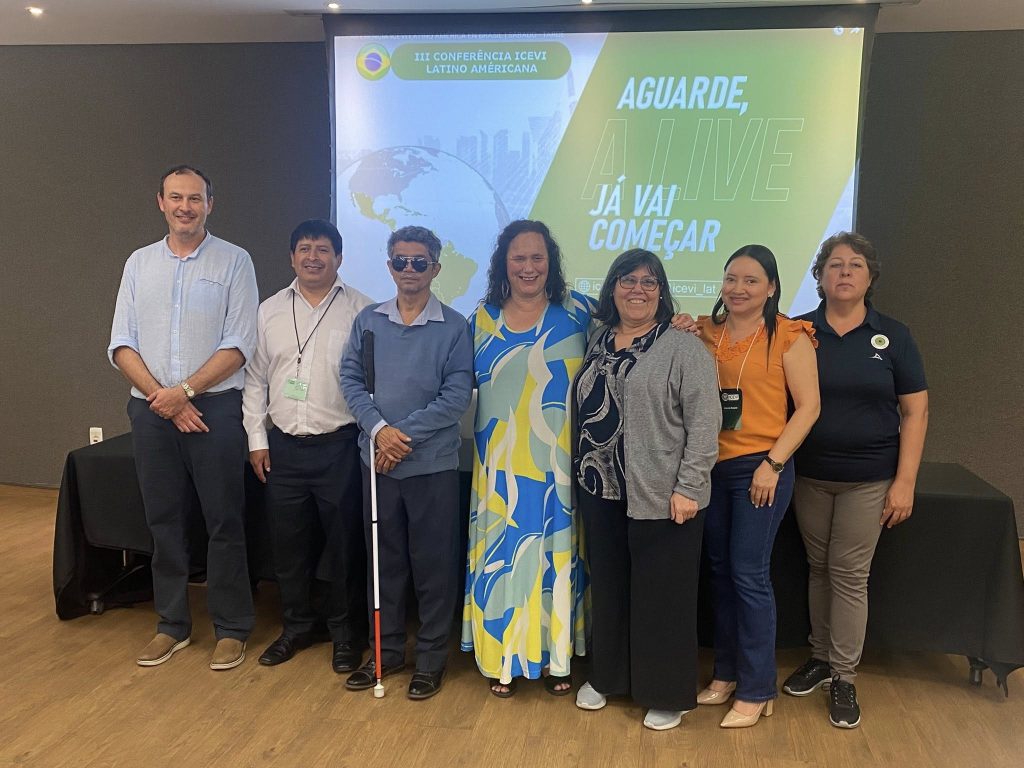
Participants shared expertise on inclusive pedagogy, curriculum adaptation, and regional policy alignment. Program highlights included keynote presentations by regional and international experts, thematic panels and success story showcases, a roundtable on cross-sector partnerships, and workshops on early childhood, autonomy, and low vision. A powerful session amplified the voices of youth with visual impairment, ensuring that lived experiences inform systemic change.
Impact: The conference fostered stronger regional dialogue and connections among leaders and practitioners committed to inclusive education for learners with visual impairment. Participants explored collaborative strategies for curriculum adaptation, teacher training, and policy alignment across Latin America. Discussions are informing ongoing efforts to strengthen cross-country cooperation and ensure that lived experiences shape future initiatives.
Co-developed with ICEVI Latin America leadership, national member organizations, ministries of education, and strategic partners across the region.
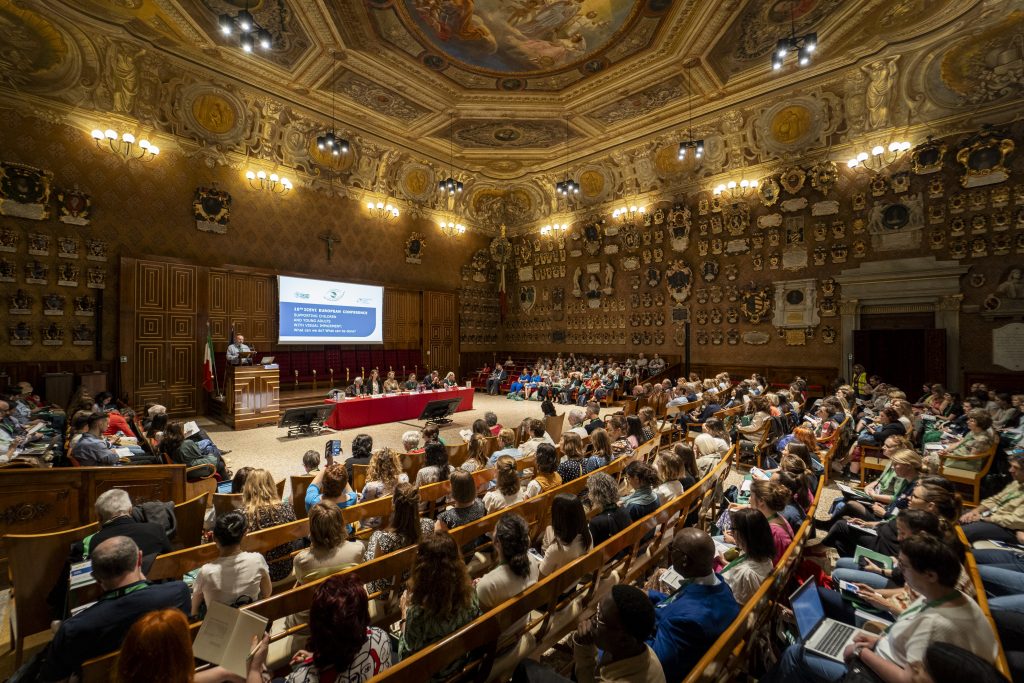
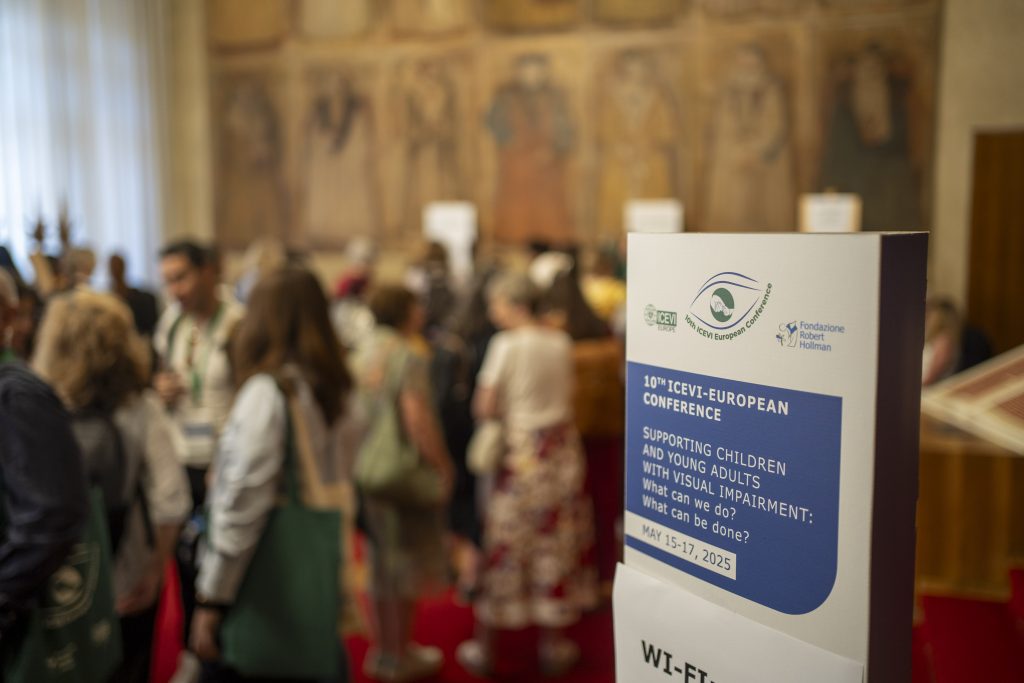
From 15 to 17 May 2025, ICEVI Europe, in partnership with the Robert Hollman Foundation, convened the 10th ICEVI European Conference in Padova, Italy. Under the shared vision of advancing inclusion for individuals with visual impairment, this flagship event gathered more than 300 participants—including educators, clinicians, rehabilitation specialists, policymakers, researchers, and advocates—from across Europe and beyond.
The program featured plenary presentations, parallel sessions, and workshops exploring practical strategies for multidisciplinary support, inclusive education, and community participation. Participants actively contributed their perspectives and expertise to the development of the “Key Principles” document, which lays the groundwork for a shared framework to guide holistic support for children and young adults with visual impairment across the region.
The conference also extended its impact into the broader community through Padova SensoriAbile Days, co-hosted with the Municipality of Padova and the University of Padova. These interactive public events highlighted inclusion in everyday life, fostering awareness and engagement among citizens and local stakeholders.
Impact: The conference strengthened cross-sector collaboration and professional networks, bringing together diverse expertise and perspectives from across Europe. Participants offered valuable insights and reflections that enriched discussion around the already-developed “Key Principles” document, reinforcing a shared vision for inclusive, multidisciplinary support for children and young adults with visual impairment. The event also expanded community engagement through Padova SensoriAbile Days, building momentum for inclusive practices both within professional networks and public life.
Co-facilitated by ICEVI Europe and the Robert Hollman Foundation, with support from Italian academic and civic partners.
While in the Netherlands for the Tactile Reading Conference, Dr. Emily H. White and Dr. Shawn Piantoni were invited to visit the Royal Dutch Visio schools in Grave and Rotterdam. These visits provided valuable opportunities for ICEVI and Visio educators and administrators to build relationships, exchange insights, and engage in mutual learning about innovative approaches to inclusive education and tactile literacy within the Dutch school system.
During the visits, Dr. White shared her research on braille literacy, contributing to rich dialogue in which both ICEVI and Visio shared experiences, practices, and ideas for connecting research findings to practical strategies in diverse educational contexts.
Impact: These visits fostered mutual learning and stronger relationships between ICEVI and Visio, enriching both organizations’ understanding of inclusive education and tactile literacy practices. The insights and connections gained will help inform shared efforts to connect research with practice and to promote inclusive education and tactile literacy within and beyond their respective networks.
In April 2025, ICEVI East Asia and the Southeast Asian Ministers of Education Organization Regional Centre for Special Educational Needs (SEAMEO SEN) formalized a multi-year partnership through the signing of a regional Memorandum of Understanding. This agreement builds on years of collaboration to expand training opportunities and enhance professional development for those working with learners with visual impairment across Southeast Asia.
As part of this ongoing partnership, ICEVI East Asia President Mr. Rahim and ICEVI Immediate Past President Dr. Frances Gentle both represented ICEVI at the SEAMEO SEN conference, sharing insights on inclusive education and strategies for supporting learners with visual impairment.
Under the new agreement, ICEVI and SEAMEO SEN will jointly plan and facilitate capacity-building programmes, seminars, workshops, and conferences focused on teaching methods, curriculum development, inclusive education, and the creation of learning materials. Both organizations will share information through their networks, collaborate on developing training resources, and jointly certify participants in these professional development activities.
Impact: This agreement strengthens ICEVI’s role as a collaborative partner in the region, formalizing joint efforts with SEAMEO SEN to facilitate capacity-building initiatives, co-develop learning resources, and promote professional exchange in the field of visual impairment. Together, they aim to enhance the skills of educators and specialists across Southeast Asia and contribute to more inclusive educational practices for learners with visual impairment.
ICEVI participated in the 2025 General Assembly of the International Disability and Development Consortium (IDDC), held in Berlin. The Assembly brought together development organizations and organizations of persons with disabilities (OPDs) to advance disability-inclusive development and align advocacy efforts ahead of the Global Disability Summit 2025.
Key themes included localisation, sustainable financing for disability inclusion, and strategies for tracking disability-inclusive funding. ICEVI contributed perspectives on ensuring that learners with visual impairment are included within broader disability-inclusive policies, funding discussions, and the development agenda. Secretary General Dr. Shawn Piantoni represented ICEVI at the Assembly, engaging in dialogue with diverse stakeholders on shared priorities and collaboration opportunities.
Impact: Through this engagement, ICEVI strengthened connections within the global disability and development community, contributed to collective advocacy strategies, and ensured that the educational needs of learners with visual impairment are part of broader efforts toward disability-inclusive development.
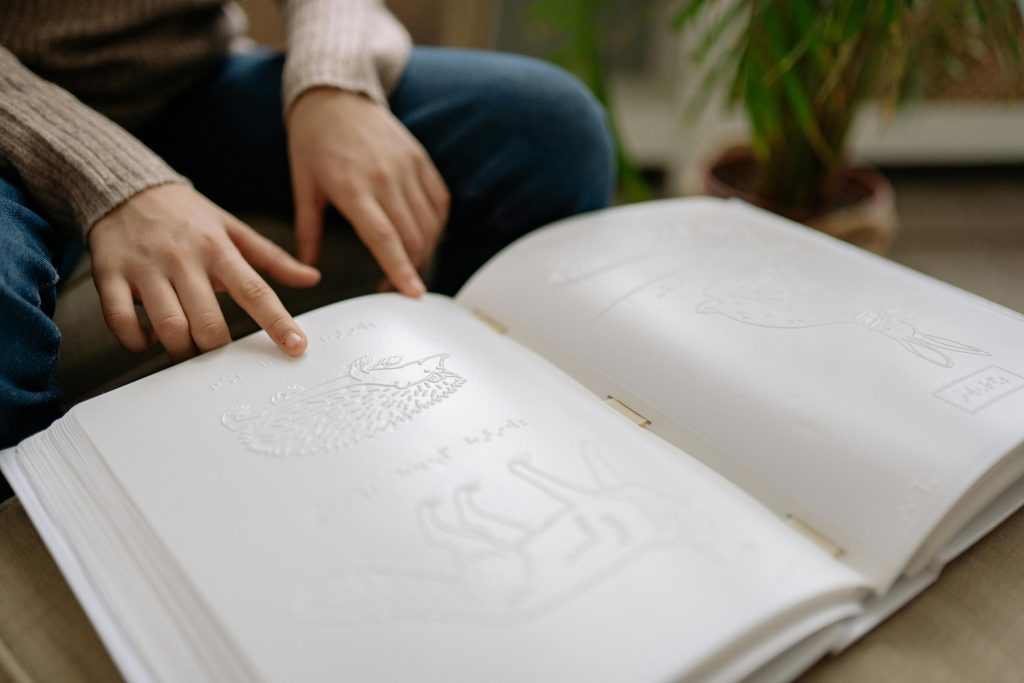
Every person who needs braille has the right to learn and use it—wherever they live. From schoolchildren learning to read, to adults seeking to participate in work and community life, braille is a vital path to literacy and access.
Yet access to braille remains deeply unequal around the world. Many countries lack the resources needed to learn and use braille on an equitable basis. The Marrakesh Treaty, which allows for the sharing of braille books and other accessible formats between countries, has yet to be ratified or implemented in many developing countries. In addition, most digital information remains inaccessible.
The result? A global literacy and information gap that limits potential and deepens inequality.
Key Highlights of the BLC 2026 Campaign:
At the 18th Session of the Conference of States Parties to the United Nations Convention on the Rights of Persons with Disabilities (COSP18), ICEVI President Gertrude Oforiwa Fefoame addressed governments with a powerful message: inclusive education is not a discretionary cost but a critical investment in human rights and equity. Her remarks aligned with broader calls from the International Disability Alliance (IDA), the United Nations Educational, Scientific and Cultural Organization (UNESCO), and civil society leaders.
Impact: ICEVI’s presence helped raise visibility of learners with visual impairments and supported advocacy efforts to make inclusive education a budgetary and policy priority for national governments and donors.
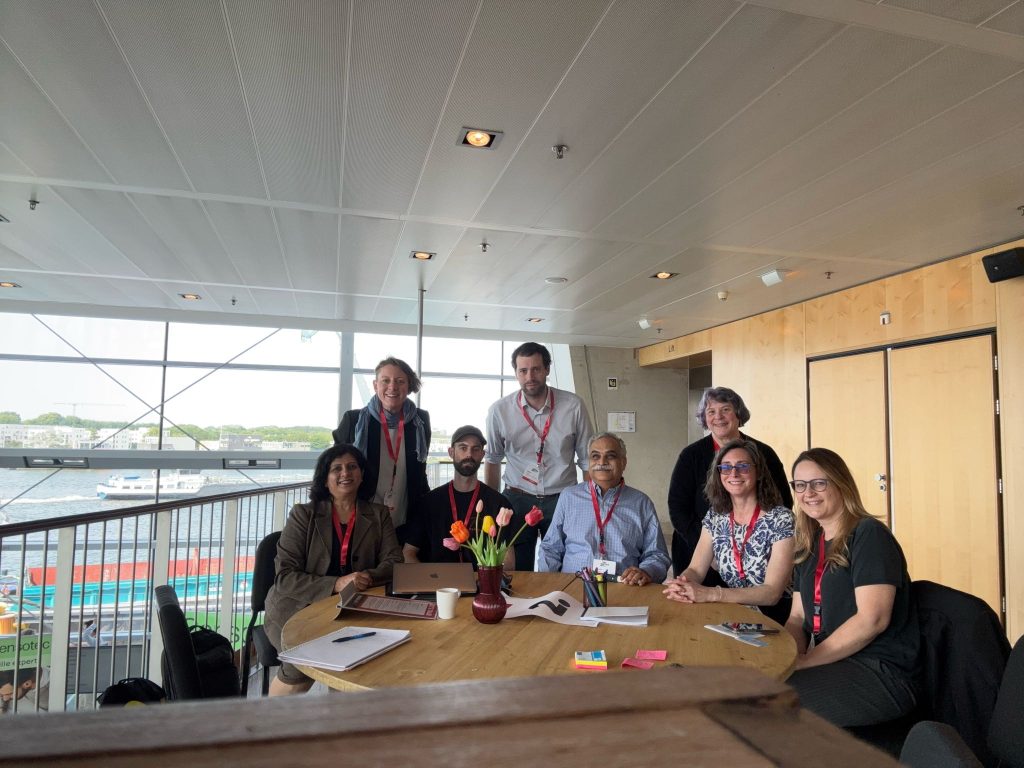
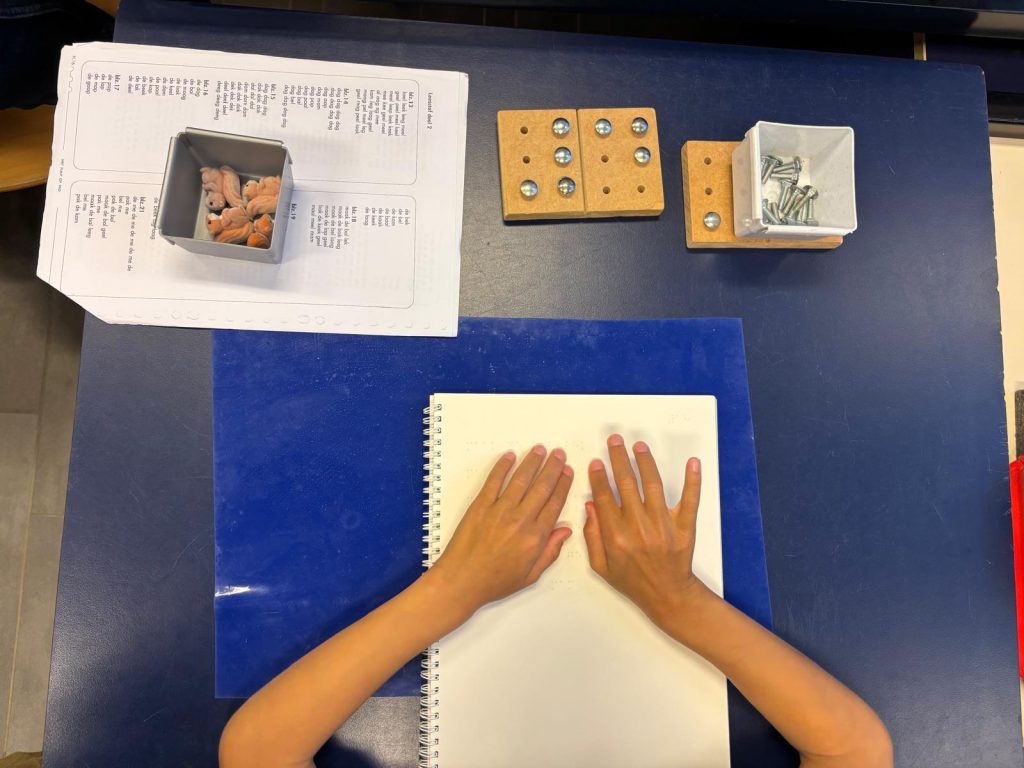
At the Tactile Reading Conference in Amsterdam, the International Council for Education of People with Visual Impairment (ICEVI) participated actively, reflecting its role as both a convener and influencer in global efforts to advance braille literacy—particularly in low- and middle-income countries.
ICEVI was represented in a high-level roundtable and through key presentations delivered by two of its Regional Presidents. Professor John Ravenscroft, PhD—President of ICEVI Europe and Chair of Childhood Visual Impairment at the University of Edinburgh—shared findings from one of the largest international studies on braille literacy to date. Conducted by a global consortium including the Scottish Sensory Centre, Perkins School for the Blind, Royal National Institute of Blind People (RNIB), i2Media, and the American Printing House for the Blind, and funded by The LEGO Foundation, the research explored the educational potential of LEGO Braille Bricks.
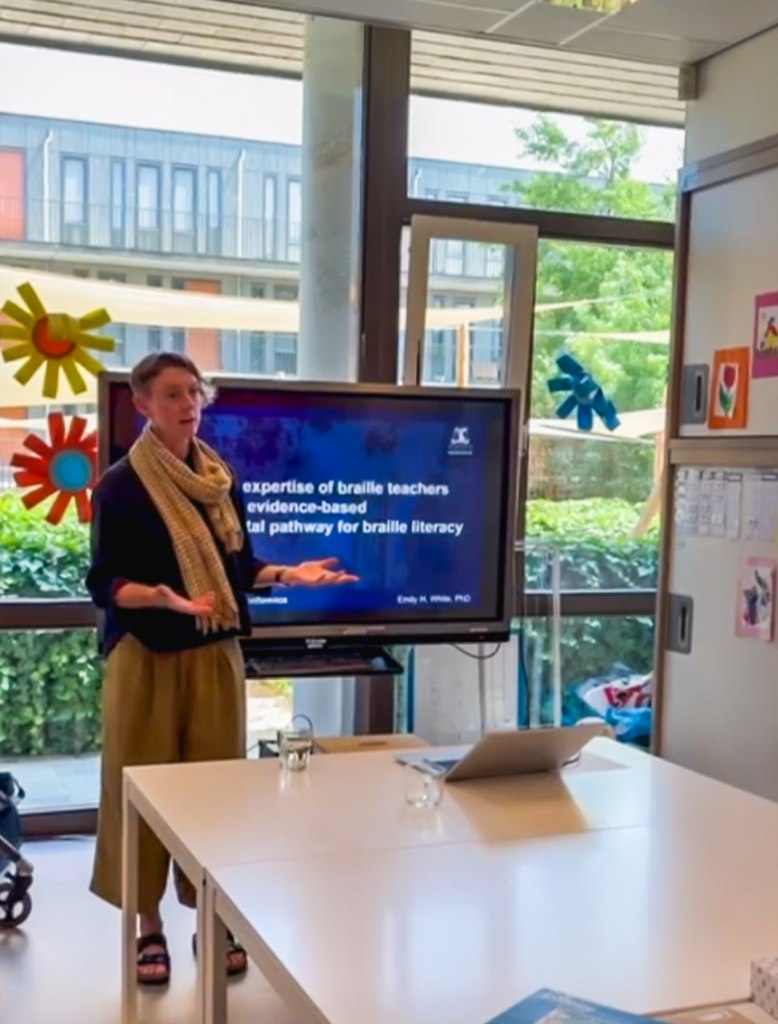
Dr. Emily H. White, President of ICEVI Pacific and Lecturer at the University of Melbourne, followed with a presentation titled “Valuing the expertise of braille teachers to create an evidence-based developmental pathway for braille literacy.” She emphasized the importance of engaging braille teachers in developing validated assessment tools and an empirical learning progression to ensure equitable, high-quality learning for students with blindness, low vision, deafblindness, and multiple disabilities.
Impact: ICEVI’s participaton at the Tactile Reading Conference strengthened global collaboration around tactile literacy, reinforced its regional expertise, and demonstrated its capacity to contribute to international research and policy dialogue.
This shared momentum at the Tactile Reading Conference led to the launch of the Amsterdam Initiative—a global commitment to mobilize international expertise and local knowledge to strengthen braille literacy systems in low- and middle-income countries. Partners in this effort include the DAISY Consortium, the Accessible Books Consortium (ABC), ICEVI Global and Pacific, the Round Table on Information Access for People with Print Disabilities, the Clovernook Center for the Blind and Visually Impaired, the University of Pittsburgh, and the International Council on English Braille (ICEB).
Key priorities identified through the initiative include standardizing braille codes for local languages, establishing national braille authorities, scaling production and education efforts, promoting the use of assistive technologies, and advancing implementation of the Marrakesh Treaty.
Impact: Through its participation in the Amsterdam Initiative, ICEVI contributed to global dialogue on braille literacy and underscored the value of cross-sectoral collaboration in shaping inclusive literacy practices.
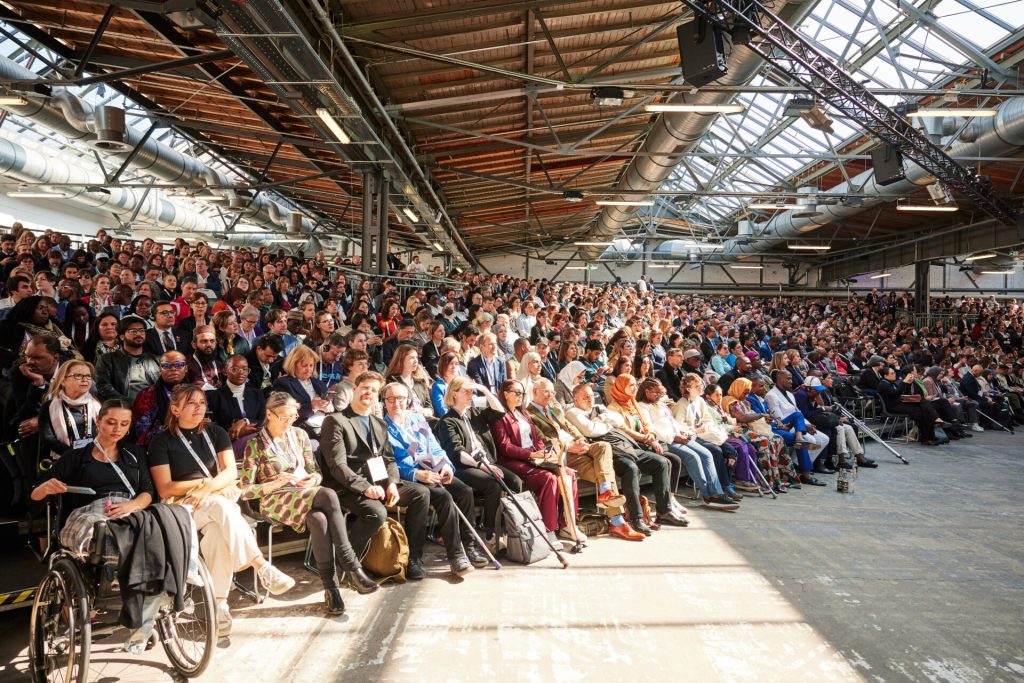
At the Global Disability Summit 2025 in Berlin, ICEVI reinforced the visibility of inclusive education through the active engagement of its global and regional leadership. ICEVI President Gertrude Oforiwa Fefoame served as moderator for a high-level panel focused on the rights of women and girls with disabilities. The session featured global leaders from Mongolia, India, Nigeria, and other countries, emphasizing the urgency of cross-movement collaboration and long-term investment in women-led organizations of persons with disabilities (OPDs).
ICEVI’s Regional Presidents from Africa, Latin America, and West Asia brought regional perspectives on inclusive education, data equity, and systemic reform to the Summit’s broader dialogues. ICEVI Treasurer Dr. Praveena Sukhraj-Ely presented South Africa’s national education pledge, further demonstrating the policy-level influence of ICEVI-affiliated leaders. ICEVI’s Secretary General also participated, engaging in strategic discussions and building partnerships aligned with global education and development priorities.
ICEVI participated in the session “For the Right to Education of ALL Children with Deafblindness!”—co-hosted by the Swiss Embassy in Germany, Deafblind International (DbI), and the Federal Association of the Deafblind (BAT)—reinforcing calls for inclusive, accessible education.
Impact: ICEVI’s participation brought greater visibility to the rights of learners with visual impairments—including women, girls, and children with deafblindness—within global education and disability dialogues. Through high-level moderation, regional representation, and strategic engagement, ICEVI contributed to global inclusion efforts and reinforced its role as an advocate and connector within the broader disability and development community
At the Global Disability Summit 2025 in Berlin, ICEVI reinforced the visibility of inclusive education through the active engagement of its global and regional leadership. ICEVI President Gertrude Oforiwa Fefoame moderated a high-level panel focused on the rights of women and girls with disabilities, featuring global leaders from Mongolia, India, Nigeria, and other countries. The discussion emphasized the urgency of cross-movement collaboration and sustained investment in women-led organizations of persons with disabilities (OPDs).
ICEVI’s Regional Presidents from Africa, Latin America, and West Asia contributed regional perspectives on inclusive education, data equity, and systemic reform within the Summit’s broader dialogues. ICEVI Treasurer Dr. Praveena Sukhraj-Ely presented South Africa’s national education pledge, demonstrating the engagement of ICEVI-affiliated leaders in policy discussions. ICEVI Secretary General Dr. Shawn Piantoni also participated, engaging in strategic dialogue and exploring partnerships aligned with global education and development priorities.
ICEVI also attended the session “For the Right to Education of ALL Children with Deafblindness!”—co-hosted by the Swiss Embassy in Germany, Deafblind International (DbI), and the Federal Association of the Deafblind (BAT)—in support of efforts calling for inclusive and accessible education.
Impact: ICEVI’s participation helped raise the profile of learners with visual impairments—including women, girls, and children with deafblindness—within global education and disability discussions. Through high-level moderation, regional representation, and targeted engagement, ICEVI contributed its expertise and perspectives to global dialogues and strengthened its role as an advocacy partner among development and disability actors.
At the Global Disability Summit 2025 in Berlin, ICEVI reinforced the visibility of inclusive education through the active engagement of its global and regional leadership. ICEVI President Gertrude Oforiwa Fefoame served as moderator for a high-level panel focused on the rights of women and girls with disabilities. The session featured global leaders from Mongolia, India, Nigeria, and other countries, emphasizing the urgency of cross-movement collaboration and long-term investment in women-led organizations of persons with disabilities (OPDs).
ICEVI’s Regional Presidents from Africa, Latin America, and West Asia brought regional perspectives on inclusive education, data equity, and systemic reform to the Summit’s broader dialogues. ICEVI Treasurer Dr. Praveena Sukhraj-Ely presented South Africa’s national education pledge, further demonstrating the policy-level influence of ICEVI-affiliated leaders. ICEVI’s Secretary General also participated, engaging in strategic discussions and building partnerships aligned with global education and development priorities.
ICEVI participated in the session “For the Right to Education of ALL Children with Deafblindness!”—co-hosted by the Swiss Embassy in Germany, Deafblind International (DbI), and the Federal Association of the Deafblind (BAT)—reinforcing calls for inclusive, accessible education.
Impact: ICEVI’s participation brought greater visibility to the rights of learners with visual impairments—including women, girls, and children with deafblindness—within global education and disability dialogues. Through high-level moderation, regional representation, and strategic engagement, ICEVI contributed to global inclusion efforts and reinforced its role as an advocate and connector within the broader disability and development community
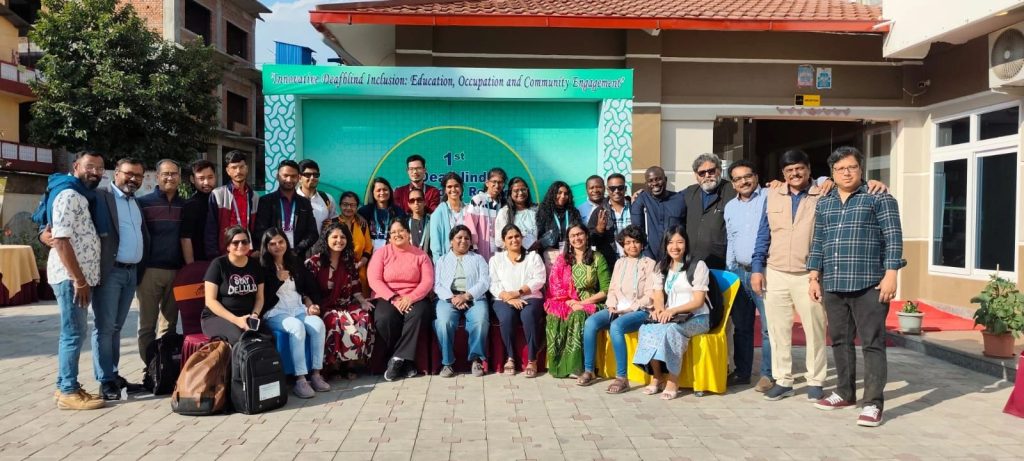
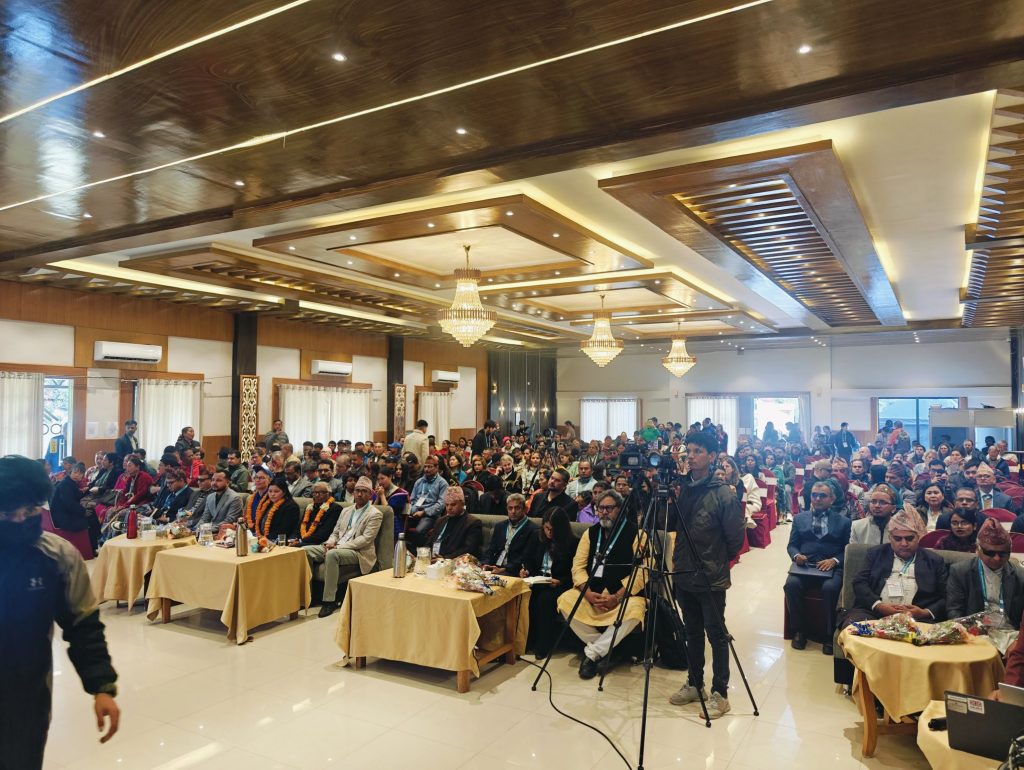
ICEVI participated in the Deafblind International (DbI) Asian Regional Conference 2025, held in Pokhara, Nepal, which brought together self-advocates, families, professionals, and allies from 22 countries to share innovations and best practices in inclusive education, livelihoods, and community engagement for persons with deafblindness. The event was co-hosted by Sense International India, Sense International, the National Federation of the Deaf Nepal (NDFN), and the Society of Deafblind Parents Nepal.
ICEVI was represented by Mr. Akhil Paul, Vice President of ICEVI and Founder-Director of Sense International India, who delivered a keynote address on inclusive technologies and systems change. ICEVI West Asia Regional President, Mr. Birendra Raj Pokharel, also attended the event and contributed to regional dialogue on advancing rights for persons with deafblindness. Their participation reflected ICEVI’s commitment to intersectional inclusion and to strengthening collaboration with disability networks across Asia.
Impact: ICEVI’s engagement in the conference helped reinforce partnerships with regional organizations and supported advocacy for inclusive education systems that respond to the needs of learners with visual impairment and additional disabilities, including deafblindness.